
Sensory-Rich Introduction with Immediate Craving
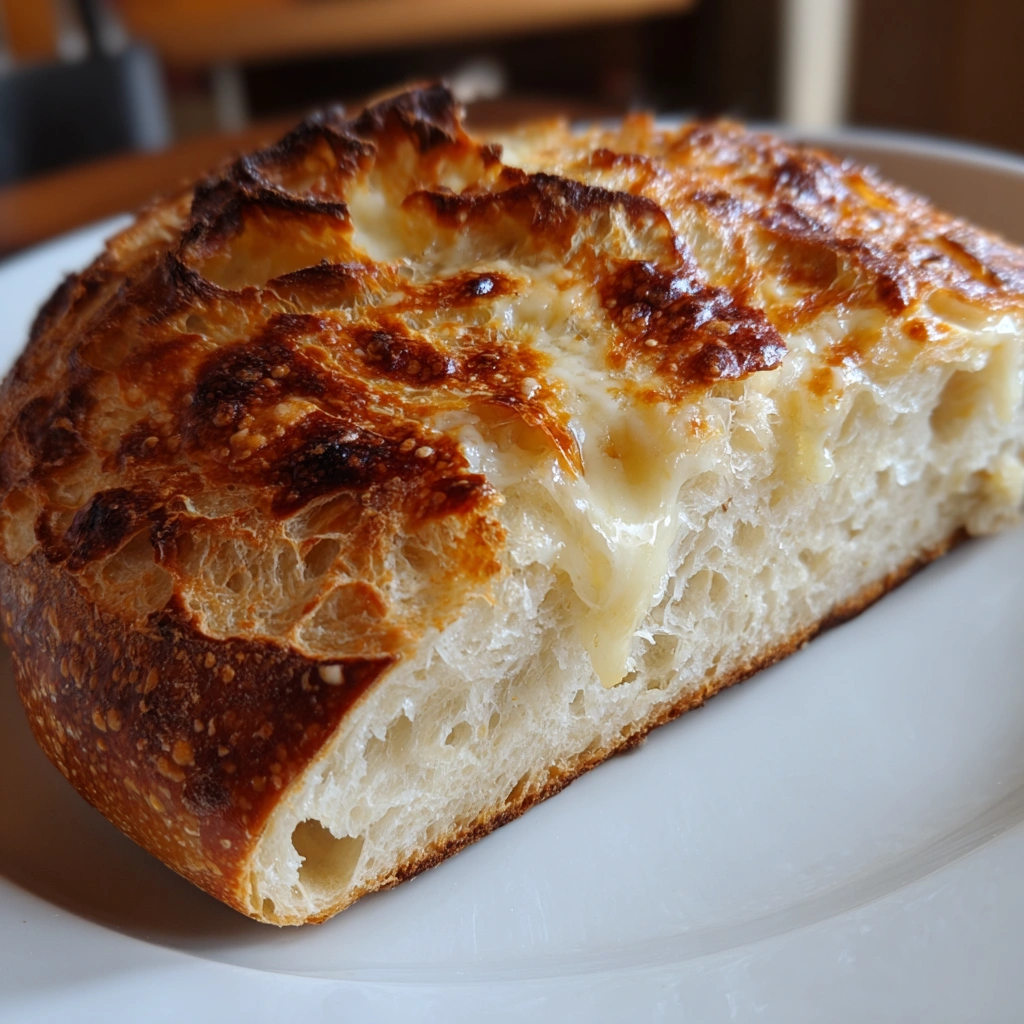
Imagine pulling a warm, golden loaf from the oven, its crispy crust crackling softly as you slice into it. The moment you cut through, a wave of rich, buttery aroma envelops your kitchen, mingling with the earthy scent of fresh rosemary. Inside, the gooey Brie cheese stretches and melts, inviting you to take that first, irresistible bite. Each mouthful is a delightful contrast of textures—the crunch of the crust giving way to the soft, creamy interior, creating a symphony of flavors that dance on your palate.
I still remember the first time I made Brie Cheese Bread for a family gathering. It was a chilly autumn evening, and the air was filled with laughter and the warmth of good company. As I pulled the bread from the oven, my family gathered around, their eyes wide with anticipation. The moment I sliced into the loaf, the gooey cheese oozed out, and I could see the delight on their faces. It was a simple recipe, but the joy it brought was profound. That evening, we shared stories, paired the bread with a glass of wine, and created memories that lingered long after the last crumb was gone.
Homemade bread has a way of connecting us to our roots, evoking feelings of comfort and nostalgia. It reminds me of my grandmother, who would spend hours in her kitchen, her laughter echoing as she kneaded dough. She always said that bread is love made visible, and I couldn’t agree more. Whether it’s a holiday gathering, a cozy dinner with friends, or a show-stopping appetizer at a party, this Brie Cheese Bread is sure to impress and warm hearts.
Why You’ll Love This Brie Cheese Bread
Let me tell you, there are countless reasons to fall head over heels for Brie Cheese Bread. It’s not just about the taste; it’s an experience that engages all your senses and brings people together. Here’s why this recipe deserves a spot in your kitchen:
- Texture Contrast: The moment you take a bite, you’ll notice the delightful contrast between the crispy, golden crust and the soft, creamy interior. It’s like a warm hug for your taste buds, with each mouthful offering a satisfying crunch followed by a melt-in-your-mouth sensation.
- Flavor Balance: The buttery richness of the Brie cheese is perfectly complemented by the aromatic notes of fresh rosemary. If you choose to add walnuts, they introduce a delightful crunch and nutty flavor that elevates the overall taste. It’s a harmonious blend that dances on your palate!
- Versatility: This bread is a true chameleon in the kitchen. Serve it as an appetizer at your next gathering, as a side dish to accompany a hearty soup, or even as a main course paired with a light salad. The possibilities are endless, making it a fantastic addition to any meal.
- Ease of Preparation: Don’t let the idea of homemade bread intimidate you! With simple ingredients and straightforward steps, this recipe is accessible for cooks of all skill levels. Trust me, if I can do it, so can you!
- Universal Appeal: Let’s face it—who doesn’t love the combination of cheese and bread? This Brie Cheese Bread is a crowd-pleaser, perfect for family dinners, holiday feasts, or casual get-togethers. It’s a dish that brings smiles and satisfaction to everyone at the table.
So, whether you’re a seasoned baker or just starting out, this recipe is sure to become a beloved staple in your home. Get ready to impress your family and friends with a loaf that’s as delicious as it is beautiful!
Step-by-Step Guide to Perfect Brie Cheese Bread
Now that we have our tools ready, let’s dive into the heart of the matter: making the perfect Brie Cheese Bread. This step-by-step guide will walk you through the process, ensuring that you achieve a beautifully baked loaf that’s bursting with flavor. Trust me, the smell of freshly baked bread will have your neighbors knocking at your door!
- Activate the Yeast: In a small bowl, combine 1 cup of warm water (110°F), 2 tablespoons of sugar, and 1 packet (2 1/4 tsp) of active dry yeast. Let it sit for 5-10 minutes until it becomes frothy. This is a crucial step; if your yeast doesn’t froth, it means it’s not active, and your bread won’t rise!
- Mix the Dry Ingredients: In a large mixing bowl, combine 3 cups of all-purpose flour and 1 teaspoon of salt. Make a well in the center and pour in the yeast mixture along with 2 tablespoons of olive oil. The oil adds richness and moisture to the bread.
- Knead the Dough: On a floured surface, knead the dough for about 10 minutes until it’s smooth and elastic. You want to develop the gluten, which gives the bread its structure. If the dough is too sticky, sprinkle a little more flour, but be careful not to overdo it!
- First Rise: Place the kneaded dough in a greased bowl, cover it with a damp kitchen towel, and let it rise in a warm place for 1 hour or until it doubles in size. This is where the magic happens, so be patient!
- Preheat the Oven: While the dough is rising, preheat your oven to 375°F (190°C). A properly preheated oven is essential for achieving that golden crust.
- Prepare the Filling: Once the dough has risen, punch it down to release the air. Roll it out into a rectangle, about 1/2 inch thick. Spread the pieces of Brie cheese, chopped fresh rosemary, and optional walnuts evenly over the dough. The aroma of rosemary will make your kitchen smell divine!
- Shape the Loaf: Roll the dough tightly from one end to the other, ensuring the filling is well enclosed. Place the rolled dough seam-side down in a greased loaf pan. This will help maintain its shape while baking.
- Second Rise: Let the dough rise again for another 30 minutes. This second rise is crucial for a light and airy loaf, so don’t skip it!
- Bake the Bread: Once the dough has risen, place it in the preheated oven and bake for 25-30 minutes or until it’s golden brown. To check for doneness, tap the bottom of the loaf; it should sound hollow. If it doesn’t, give it a few more minutes.
And there you have it! A step-by-step guide to creating a stunning Brie Cheese Bread that’s sure to impress. Remember, baking is as much about the journey as it is about the destination, so enjoy every moment of the process!
Ingredients & Their Roles in This Brie Cheese Bread
Understanding the ingredients in your Brie Cheese Bread is key to mastering this delightful recipe. Each component plays a vital role in creating that perfect loaf, so let’s break it down!
For the Bread:
- All-Purpose Flour: This is the backbone of your bread, providing structure and texture. It’s versatile and gives the loaf that beautiful rise we all love.
- Active Dry Yeast: The magic leavening agent that makes your bread light and airy. It ferments the sugars in the dough, producing carbon dioxide that causes the bread to rise.
- Warm Water: Essential for activating the yeast. Make sure it’s at the right temperature (around 110°F) to ensure your yeast wakes up and gets to work!
- Sugar: Not just for sweetness! Sugar feeds the yeast, helping it to grow and also enhances the browning of the crust, giving it that lovely golden color.
- Salt: A crucial ingredient that balances flavors and strengthens the gluten structure, ensuring your bread has the right texture and taste.
- Olive Oil: Adds moisture and richness to the bread, making it tender and flavorful. Plus, it contributes to that delightful crust!
For the Filling:
- Brie Cheese: The star of the show! Its creamy, buttery flavor melts beautifully into the bread, creating a rich and indulgent experience.
- Fresh Rosemary: This aromatic herb elevates the flavor profile, adding a fragrant note that complements the Brie perfectly. It’s like a little taste of the Mediterranean!
- Walnuts (optional): If you choose to include them, walnuts introduce a delightful crunch and nutty flavor that contrasts beautifully with the creamy cheese.
Substitutions:
If you’re looking to mix things up, consider these substitutions:
- Camembert: A great alternative to Brie, offering a similar creamy texture with a slightly stronger flavor.
- Goat Cheese: For a tangy twist, goat cheese can be used, providing a unique flavor that pairs well with the rosemary.
- Herbs: Feel free to experiment with other herbs like thyme or basil for a different aromatic experience.
With these ingredients and their roles in mind, you’re well on your way to creating a stunning Brie Cheese Bread that will impress everyone at your table!
Step-by-Step Guide to Perfect Brie Cheese Bread
Now that we have our tools ready, let’s dive into the heart of the matter: making the perfect Brie Cheese Bread. This step-by-step guide will walk you through the process, ensuring that you achieve a beautifully baked loaf that’s bursting with flavor. Trust me, the smell of freshly baked bread will have your neighbors knocking at your door!
- Activate the Yeast: In a small bowl, combine 1 cup of warm water (110°F), 2 tablespoons of sugar, and 1 packet (2 1/4 tsp) of active dry yeast. Let it sit for 5-10 minutes until it becomes frothy. This is a crucial step; if your yeast doesn’t froth, it means it’s not active, and your bread won’t rise!
- Mix the Dry Ingredients: In a large mixing bowl, combine 3 cups of all-purpose flour and 1 teaspoon of salt. Make a well in the center and pour in the yeast mixture along with 2 tablespoons of olive oil. The oil adds richness and moisture to the bread.
- Knead the Dough: On a floured surface, knead the dough for about 10 minutes until it’s smooth and elastic. You want to develop the gluten, which gives the bread its structure. If the dough is too sticky, sprinkle a little more flour, but be careful not to overdo it!
- First Rise: Place the kneaded dough in a greased bowl, cover it with a damp kitchen towel, and let it rise in a warm place for 1 hour or until it doubles in size. This is where the magic happens, so be patient!
- Preheat the Oven: While the dough is rising, preheat your oven to 375°F (190°C). A properly preheated oven is essential for achieving that golden crust.
- Prepare the Filling: Once the dough has risen, punch it down to release the air. Roll it out into a rectangle, about 1/2 inch thick. Spread the pieces of Brie cheese, chopped fresh rosemary, and optional walnuts evenly over the dough. The aroma of rosemary will make your kitchen smell divine!
- Shape the Loaf: Roll the dough tightly from one end to the other, ensuring the filling is well enclosed. Place the rolled dough seam-side down in a greased loaf pan. This will help maintain its shape while baking.
- Second Rise: Let the dough rise again for another 30 minutes. This second rise is crucial for a light and airy loaf, so don’t skip it!
- Bake the Bread: Once the dough has risen, place it in the preheated oven and bake for 25-30 minutes or until it’s golden brown. To check for doneness, tap the bottom of the loaf; it should sound hollow. If it doesn’t, give it a few more minutes.
And there you have it! A step-by-step guide to creating a stunning Brie Cheese Bread that’s sure to impress. Remember, baking is as much about the journey as it is about the destination, so enjoy every moment of the process!
Chef’s Notes & Pro Tips for Flawless Results
As someone who has spent countless hours in the kitchen perfecting my Brie Cheese Bread, I’ve gathered a few invaluable tips that will help you achieve a flawless loaf every time. Trust me, these little nuggets of wisdom can make all the difference!
- Make-Ahead Instructions: If you’re short on time, don’t worry! You can prepare the dough and filling in advance. Simply store them in the fridge overnight. This not only saves time but also allows the flavors to meld beautifully. Just remember to let the dough come to room temperature before proceeding with the second rise.
- Storage: Once your Brie Cheese Bread is baked and cooled, keep it in an airtight container for up to 3 days. If you want to enjoy it later, wrap the cooled bread tightly in plastic wrap and then in aluminum foil. It can be frozen for up to 2 months. When you’re ready to enjoy it, just thaw overnight in the fridge and reheat in the oven for that fresh-baked taste!
- Equipment Recommendations: While you can certainly knead the dough by hand, using a stand mixer with a dough hook can make the process much easier, especially if you’re preparing multiple loaves. It saves time and effort, allowing you to focus on other aspects of your meal prep.
- Customization Options: Don’t be afraid to get creative! Experiment with different herbs like thyme or basil for a fresh twist. You can also swap out the Brie for other soft cheeses like Camembert or goat cheese to create unique flavor profiles. The beauty of this recipe is its versatility!
With these tips in your back pocket, you’re well on your way to mastering the art of Brie Cheese Bread. Happy baking!
Avoid These Common Cooking Mistakes
As you embark on your journey to create the perfect Brie Cheese Bread, it’s essential to be aware of some common pitfalls that can derail your baking efforts. Trust me, I’ve made these mistakes myself, and I want to save you from the same fate! Here’s a list of what to watch out for:
- Not allowing the dough to rise enough: This is a biggie! If you don’t let the dough rise until it doubles in size, you’ll end up with dense bread that’s more like a brick than a fluffy loaf. Patience is key here—give it the time it needs!
- Using cold water for yeast: Cold water can kill the yeast, preventing it from activating. Always use warm water (around 110°F) to ensure your yeast wakes up and gets to work. A little warmth goes a long way!
- Over-kneading the dough: While kneading is crucial for developing gluten, overdoing it can lead to tough bread. Aim for about 10 minutes of kneading until the dough is smooth and elastic. If it feels too tough, you’ve gone too far!
- Skipping the preheating step: Preheating your oven is essential for achieving that golden crust. If you skip this step, your bread may bake unevenly, resulting in a loaf that’s undercooked on the inside and burnt on the outside. Trust me, no one wants that!
- Neglecting the second rise: This step is crucial for a light and airy loaf. If you skip it, you’ll end up with a heavy, dense bread. Allow the dough to rise again after shaping—it’s worth the wait!
- Using too much flour: It’s easy to get carried away with flour, especially if the dough feels sticky. However, using too much can dry out the dough and lead to a tough texture. Measure accurately and adjust as needed, adding flour gradually if necessary.
- Not checking for doneness: The last thing you want is undercooked bread! To check for doneness, tap the bottom of the loaf; it should sound hollow. If it doesn’t, give it a few more minutes in the oven. Trust your instincts!
By keeping these common mistakes in mind, you’ll be well on your way to baking a stunning Brie Cheese Bread that will impress everyone at your table. Happy baking!
Creative Variations & Customizations
One of the joys of baking Brie Cheese Bread is the opportunity to get creative with flavors and ingredients. Whether you want to cater to dietary preferences or simply experiment with new tastes, these variations will keep your bread game exciting. Here are some delightful twists to consider:
- Herbed Brie Bread: Elevate your loaf by adding different herbs like thyme or basil. These fresh herbs not only enhance the flavor but also add a beautiful aroma that will fill your kitchen. Imagine slicing into a loaf that smells like a garden in full bloom!
- Spicy Brie Bread: If you like a little heat, incorporate red pepper flakes into the filling. This spicy kick pairs wonderfully with the creamy Brie, creating a delightful contrast that will surprise and delight your taste buds.
- Seasonal Variations: Embrace the flavors of the season by using pumpkin puree in the dough for a fall-inspired bread. The pumpkin adds moisture and a subtle sweetness, making it perfect for cozy autumn gatherings.
- Nut-Free Option: If you or your guests have nut allergies, simply omit the walnuts or replace them with sunflower seeds. This keeps the texture interesting while ensuring everyone can enjoy the bread without worry.
- Gluten-Free Version: For those following a gluten-free diet, substitute the all-purpose flour with a gluten-free flour blend. Just be sure to check that your yeast is gluten-free as well. This way, everyone can indulge in the deliciousness of Brie Cheese Bread!
These creative variations not only allow you to personalize your bread but also make it a versatile dish that can adapt to any occasion. So, don your apron and let your imagination run wild in the kitchen!
Perfect Pairings: What to Serve With Brie Cheese Bread
When it comes to enjoying your freshly baked Brie Cheese Bread, the right accompaniments can elevate the experience to new heights. Here are some delightful pairings that will complement the rich, creamy flavors of the bread and create a memorable meal:
- Honey Drizzle: A simple drizzle of honey adds a sweet contrast to the savory bread, enhancing the buttery richness of the Brie. It’s like a match made in heaven!
- Mixed Greens Salad: A light salad of mixed greens with a tangy vinaigrette not only lightens the meal but also adds a refreshing crunch that balances the creaminess of the bread.
- Chardonnay: This white wine, with its crisp acidity and buttery notes, complements the creaminess of the Brie beautifully. It’s the perfect sip to enjoy alongside your warm loaf.
- Charcuterie Board: Create a stunning charcuterie board featuring cured meats, cheeses, and fruits. The variety of flavors and textures will enhance the experience of enjoying your Brie Cheese Bread.
- Fig Jam: The sweet and savory combination of fig jam pairs wonderfully with the bread, adding a delightful burst of flavor that will have your taste buds dancing.
- Roasted Vegetables: A side of roasted vegetables provides a hearty and nutritious complement to the bread. The caramelized flavors of the veggies will harmonize beautifully with the creamy Brie.
- Creamy Tomato Soup: For a comforting meal, serve your Brie Cheese Bread alongside a bowl of creamy tomato soup. The warmth and richness of the soup make for a cozy pairing that’s perfect for chilly evenings.
- Olive Tapenade: This briny, flavorful spread adds a savory kick that pairs well with the bread, enhancing its flavor profile and making each bite even more enjoyable.
With these perfect pairings, your Brie Cheese Bread will shine at any gathering or cozy dinner at home. So gather your loved ones, pour a glass of wine, and enjoy the delightful flavors together!
Storage & Meal Prep Instructions
Once you’ve baked your delicious Brie Cheese Bread, you’ll want to ensure it stays fresh and flavorful for as long as possible. Here are some handy storage and meal prep tips that I’ve gathered over the years:
- Fridge Storage: To keep your bread fresh, store it in an airtight container. This will help maintain its moisture and flavor for up to 3 days. Just be sure to let it cool completely before sealing it up to avoid any sogginess!
- Freezing: If you want to enjoy your Brie Cheese Bread later, freezing is a great option. Wrap the cooled bread tightly in plastic wrap, followed by aluminum foil. This double-wrapping method prevents freezer burn and keeps the bread fresh for up to 2 months. When you’re ready to indulge, simply thaw it overnight in the fridge.
- Reheating Methods: To bring back that fresh-baked taste, reheat your bread in the oven. Preheat your oven to 350°F (175°C) and place the wrapped bread directly on the oven rack for about 10-15 minutes. This will help restore its crispy crust and warm, gooey interior. Trust me, your kitchen will smell heavenly!
With these storage and meal prep instructions, you can enjoy your Brie Cheese Bread at your leisure, savoring each bite as if it were just baked. Happy snacking!
Nutrition Facts & Health Insights
Understanding the nutritional profile of your Brie Cheese Bread can help you appreciate not only its deliciousness but also its health benefits. Here’s a detailed breakdown of the nutrition you can expect from each slice of this delightful loaf:
| Nutrient | Amount per Serving (1 slice, about 1/8 of the loaf) |
|---|---|
| Calories | 210 |
| Fat | 10g |
| Saturated Fat | 5g |
| Unsaturated Fat | 3g |
| Trans Fat | 0g |
| Cholesterol | 20mg |
| Sodium | 300mg |
| Carbohydrates | 25g |
| Fiber | 1g |
| Sugar | 1g |
| Protein | 6g |
Now, let’s talk about the health benefits of some key ingredients in this Brie Cheese Bread:
- Whole Grains in Flour: While this recipe uses all-purpose flour, you can easily substitute it with whole wheat flour for added fiber and nutrients. Whole grains are known to support heart health, aid digestion, and help maintain a healthy weight.
- Healthy Fats in Olive Oil: The olive oil used in this recipe is a source of monounsaturated fats, which are beneficial for heart health. These healthy fats can help lower bad cholesterol levels and reduce the risk of heart disease.
- Brie Cheese: This creamy cheese is not only delicious but also provides calcium and protein. Calcium is essential for strong bones and teeth, while protein is vital for muscle repair and growth.
- Fresh Rosemary: This aromatic herb is packed with antioxidants and has anti-inflammatory properties. It can also aid digestion and improve circulation, making it a wonderful addition to your bread.
By enjoying Brie Cheese Bread, you’re not just indulging in a delicious treat; you’re also incorporating some nutritious ingredients into your diet. So go ahead, savor each slice, and feel good about the wholesome goodness you’re bringing to your table!
Frequently Asked Questions
As you embark on your journey to create the perfect Brie Cheese Bread, you may have some questions along the way. Don’t worry; I’ve got you covered! Here are some frequently asked questions that can help guide you through the process:
- Can I use instant yeast instead of active dry yeast?
Absolutely! You can substitute instant yeast for active dry yeast in a 1:1 ratio. The great thing about instant yeast is that it doesn’t require proofing, so you can mix it directly with your dry ingredients. Just remember to adjust the liquid slightly if needed, as instant yeast can absorb moisture differently. - How can I tell if my bread is done baking?
A great way to check for doneness is to tap the bottom of the loaf; it should sound hollow. Additionally, the bread should be a beautiful golden brown on top. If you have a kitchen thermometer, the internal temperature should reach about 190°F (88°C) when fully baked. - What can I substitute for rosemary?
If rosemary isn’t your thing, don’t fret! You can use other herbs like thyme, basil, or even oregano for a different flavor profile. Each herb will bring its unique aroma and taste, so feel free to experiment! - How do I store leftover Brie Cheese Bread?
To keep your bread fresh, store it in an airtight container at room temperature for up to 3 days. If you want to keep it longer, wrap it tightly in plastic wrap and then in aluminum foil, and freeze it for up to 2 months. Just remember to thaw it overnight in the fridge before reheating! - Can I make this bread without a loaf pan?
Yes, you can! If you don’t have a loaf pan, you can shape the dough into a round or oval loaf and bake it on a baking sheet lined with parchment paper. Just be sure to adjust the baking time slightly, as free-form loaves may bake a bit faster. - What’s the best way to reheat frozen bread?
To reheat frozen Brie Cheese Bread, first, thaw it overnight in the fridge. Then, preheat your oven to 350°F (175°C) and wrap the bread in aluminum foil to prevent it from drying out. Bake for about 10-15 minutes until warmed through and the crust is crispy again. - How long does the dough need to rise in colder temperatures?
If your kitchen is on the cooler side, the dough may take longer to rise. In such cases, allow it to rise for 1.5 to 2 hours, or until it has doubled in size. You can also create a warm environment by placing the dough in an oven that’s turned off but has the light on, or near a warm stove. - Can I add other fillings to the bread?
Absolutely! The beauty of Brie Cheese Bread lies in its versatility. Feel free to add other fillings like sautéed garlic, caramelized onions, or even sun-dried tomatoes for a unique twist. Just be mindful of the moisture content, as too much liquid can affect the dough’s rise.
With these FAQs in mind, you’re well-equipped to tackle any challenges that may arise while making your Brie Cheese Bread. Happy baking!
Final Inspiration & Kitchen Confidence
As you stand in your kitchen, ready to embark on the delightful journey of making Brie Cheese Bread, I want to take a moment to encourage you. Baking is not just about following a recipe; it’s about creating something beautiful and delicious from scratch. It’s a form of self-expression, a way to share love and warmth with those around you. So, roll up your sleeves, put on your favorite apron, and let the magic begin!
There’s something incredibly satisfying about pulling a freshly baked loaf from the oven, the aroma wafting through your home, and knowing that you made it with your own hands. Each slice of Brie Cheese Bread is a testament to your effort and creativity, a reward for your patience and dedication. Remember, every great baker started somewhere, and with each loaf you make, you’re honing your skills and building your confidence.
So, I invite you to share your creations and experiences with Brie Cheese Bread. Whether it’s a photo of your golden loaf, a story about how it brought your family together, or a unique twist you added to the recipe, your journey can inspire others to join in this culinary adventure. Let’s celebrate the joy of baking together, one slice at a time!
Print
Brie Cheese Bread: Indulge in Creamy, Golden Perfection!
- Total Time: 1 hour 50 minutes
- Yield: 1 loaf (8 servings) 1x
- Diet: Vegetarian
Description
Brie Cheese Bread is a warm, golden loaf that boasts a crispy crust and a soft, gooey interior filled with rich, creamy Brie cheese. Each bite offers a delightful contrast of textures, with the buttery flavor of the cheese melding beautifully with the freshly baked bread.
Ingredients
- For the Bread:
- 3 cups all-purpose flour
- 1 packet (2 1/4 tsp) active dry yeast
- 1 cup warm water (110°F)
- 2 tbsp sugar
- 1 tsp salt
- 2 tbsp olive oil
- For the Filling:
- 8 oz Brie cheese, cut into small pieces
- 1/4 cup fresh rosemary, chopped
- 1/4 cup walnuts, chopped (optional)
Instructions
- In a small bowl, combine warm water, sugar, and yeast. Let it sit for 5-10 minutes until frothy.
- In a large mixing bowl, combine flour and salt. Make a well in the center and add the yeast mixture and olive oil.
- Knead the dough on a floured surface for about 10 minutes until smooth and elastic.
- Place the dough in a greased bowl, cover with a damp cloth, and let it rise in a warm place for 1 hour or until doubled in size.
- Preheat the oven to 375°F (190°C).
- Punch down the dough and roll it out into a rectangle. Spread the Brie cheese, rosemary, and walnuts evenly over the dough.
- Roll the dough tightly and place it seam-side down in a greased loaf pan.
- Let it rise for another 30 minutes, then bake for 25-30 minutes or until golden brown.
Notes
- This bread can be made ahead and stored in an airtight container for up to 3 days.
- To freeze, wrap the cooled bread tightly in plastic wrap and then in aluminum foil for up to 2 months.
- Substitute Brie with Camembert or any soft cheese for a different flavor profile.
- Prep Time: 20 minutes
- Cook Time: 30 minutes
- Category: appetizers
- Method: baking
- Cuisine: French-American
Nutrition
- Serving Size: 1 slice (about 1/8 of the loaf)
- Calories: 210
- Sugar: 1g
- Sodium: 300mg
- Fat: 10g
- Saturated Fat: 5g
- Unsaturated Fat: 3g
- Trans Fat: 0g
- Carbohydrates: 25g
- Fiber: 1g
- Protein: 6g
- Cholesterol: 20mg
Keywords: Brie Cheese Bread, cheesy bread, homemade bread, soft cheese bread, French bread, appetizer recipes, warm bread, baking recipes, comfort food, vegetarian bread, gourmet bread, easy bread recipe, party appetizers, bread with cheese, savory bread